TECHNOLOGY

MODELING

Creating basic shapes in Blender software, working with modifiers. Guided by AI-generated textures – adjusted in Photoshop into ALPHA brushes, mirroring them in sculpting to modify high detail. Preparing cuts and locks for the final parts of the form.

PRINTING

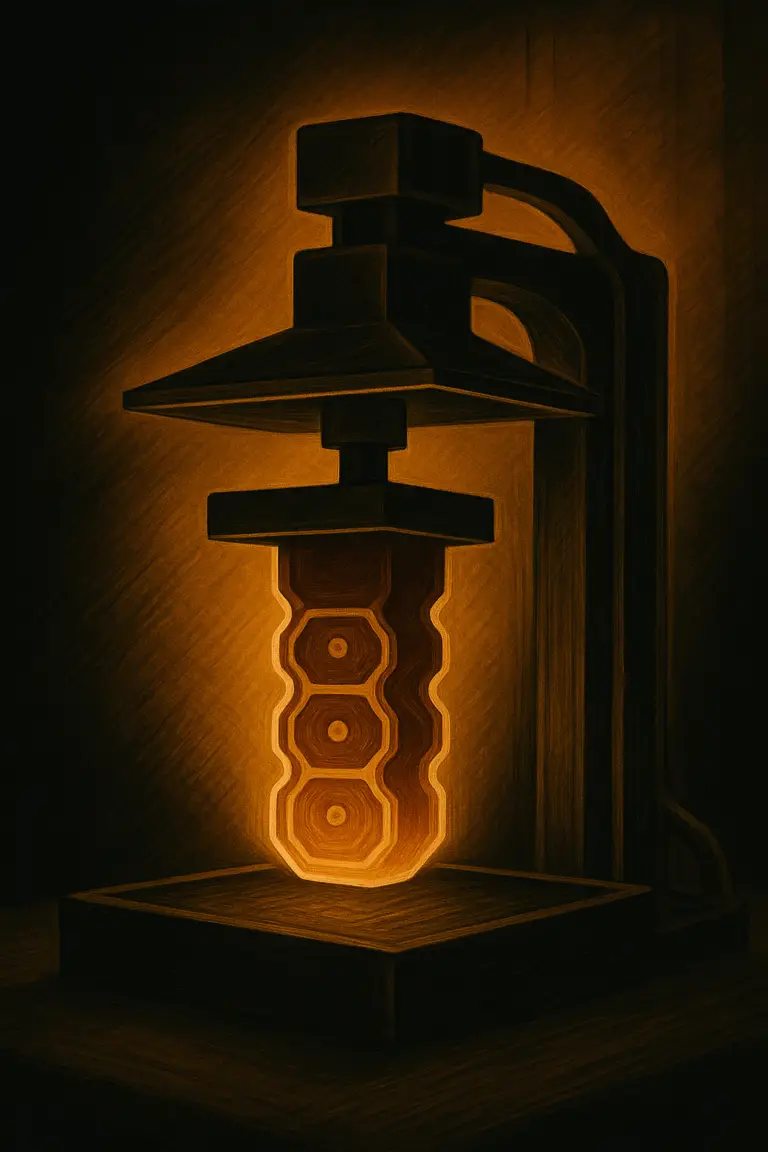
Starting with leveling of machines, dozens of hours printing, smoothing out imperfections. FDM creates simple outside structure while RESIN is used to replicate accurate copy of plaster parts. Everything set up and prepared for silicone casting.

MOTHER MOLD

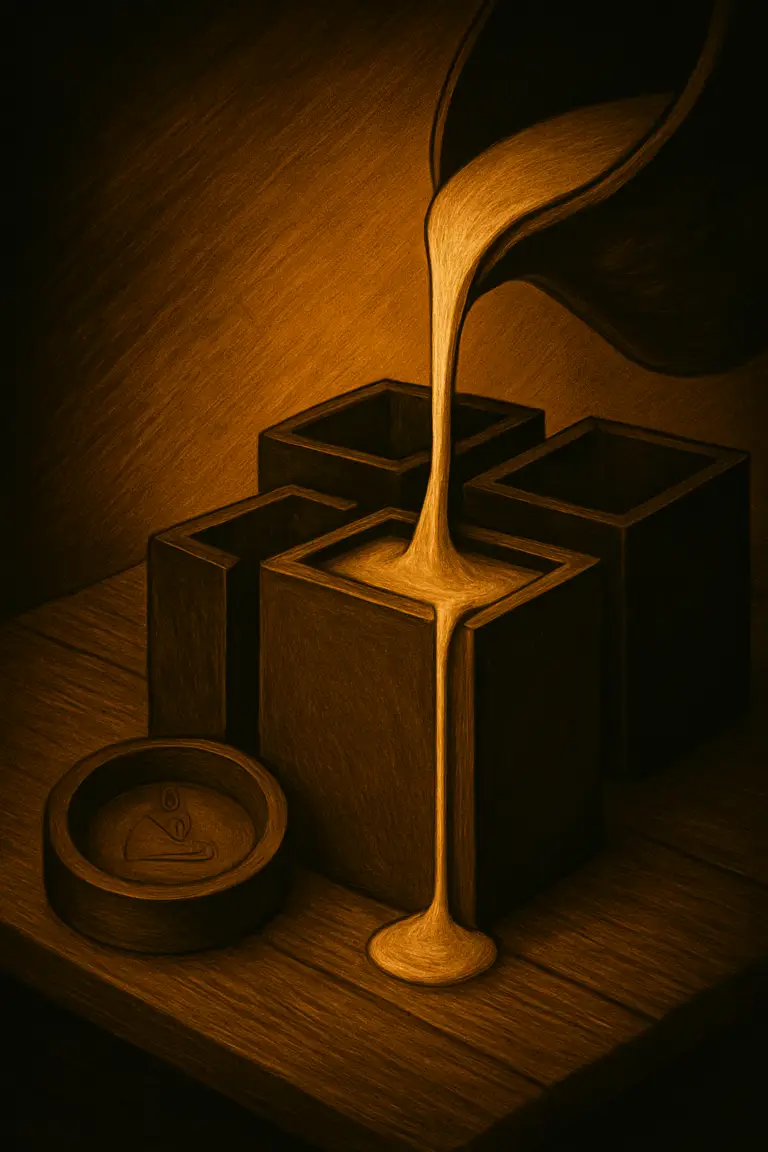
Mixing silicone with the activator and degassing it in a vacuum chamber. Pouring into the printed set-up mold and allowing it to mature for a couple of days. Now finished mother mold is prepared to produce countless plaster parts.

SLIPCASTING

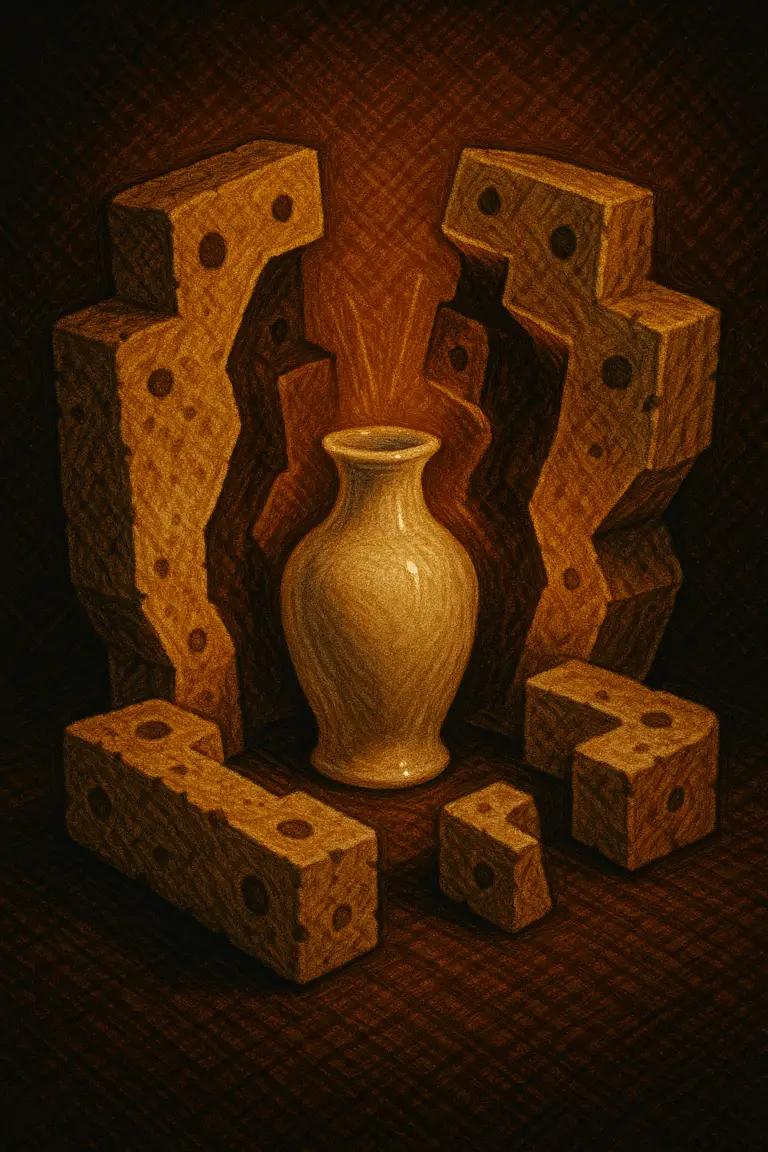
Pouring liquid porcelain into plaster molds, creating leather-hard states, leaving them to dry. Retouching and repairing all details. Firing them in the kiln for half a day until the temperature reaches 950°C.

GLAZING

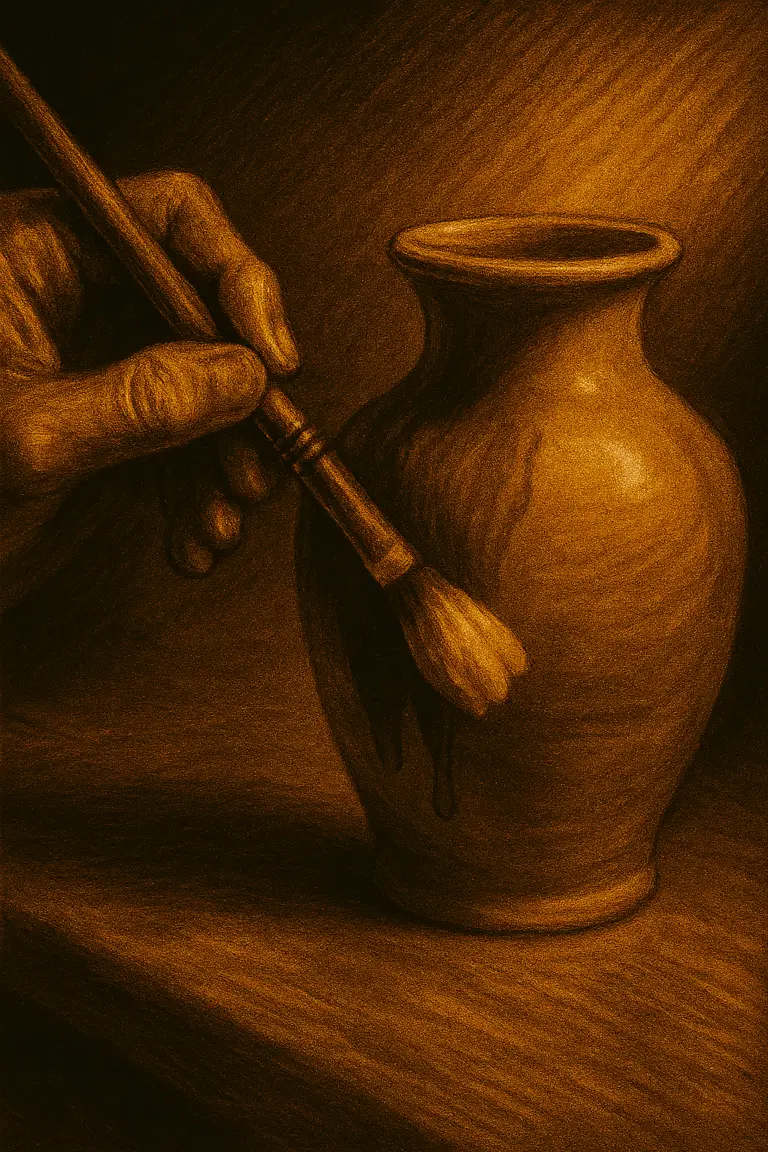
Special care to highlight the digitally designed textures. Combining layers so that, when melting, they flow over each other and create a sense of movement. Looking for a balance between textures. The final firing takes place at 1250°C.